


 Posts
Posts


Even back in the 16th Century, when the British first landed on Indian soil, this gigantic region was considered a land of opportunities.
India has a rich and recorded history going back 4000 years to the Indus Valley Civilization, and there is no doubt that throughout history, it has remained an economic powerhouse, albeit ups and downs over the years.
Today the IBEF (India Brand Equity Foundation) claims India to have emerged as the fastest-growing major economy in the world.
According to a recent study by the World Bank, India was recorded to have a GDP (gross domestic product) of $2.869 trillion in 2019, with a population of 1.366 billion people.
Furthermore, life expectancy in the country has steadily increased over the years, with 69.416 years of life expectancy at birth back in 2018 and 21.9% of the population living below the national poverty lines.
Moreover, the GNI (gross national income) per capita has also increased at a tremendous rate, with $2,120 accomplished back in 2019.
IT Industry of India

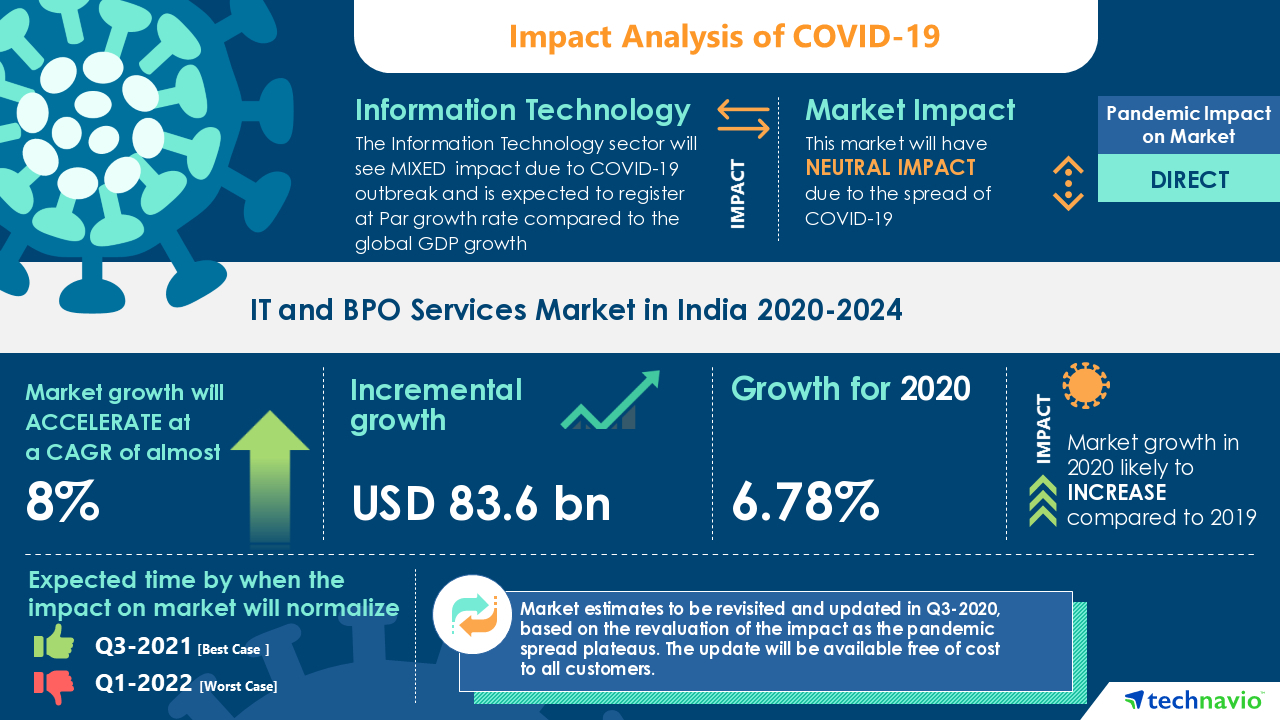
The IT sector in India is a tremendous contributor to the economic growth of the nation. It mainly consists of two major components, namely IT services and BPO (business process outsourcing). From 1998 to 2017, the IT industry has increased its contribution to the Indian economy from 1.2% to 7.7%.
According to NASSCOM (National Association of Software and Services Companies), India’s IT sector generated revenues of $180 billion in 2019, with exports standing at $99 billion and domestic output at $48 billion.
Furthermore, India’s IT workforce accounts for 4.36 million employees as of 2020, with United States accounting for two-thirds of India’s IT services exports.
Some of India’s IT revolution’s well-known progenitors include the names Tata Consultancy Services founded in 1968, and SEEPZ (Santacruz Electronics Export Processing Zone) that was established in Mumbai in 1973.
Currently, India is the largest exporter of IT, with exports dominating the Indian IT industry and constituting 79% of its total revenue.
The Top Five Indian IT Services Providers include the likes of HCL Technologies, Infosys, Tata Consultancy Services, Tech Mahindra, and Wipro. Some of the major information technology hubs in the country include:
- Ahmedabad & Gandhinagar – The project GIFT (Gujarat International Finance Tec) City is under development with 225 units/companies operational and more than 12,000 professionals employed.
- Bengaluru – known as the Silicon Valley of India with notable companies setting up their operations in its vicinity, such as IBM India, Mindtree, Oracles, SAP Labs, Sonata Software, etc.
- Chennai – India’s largest exporter of BPO and IT services with Tidel Park, billed as Asia’s largest IT Park during its construction. Many IT industries, as their base, prefer the location.
- Delhi NCR – one of the major IT hubs in India. Cities like Gurugram and Noida serves as the local and global market for several companies.
- Hyderabad – known for the HITEC City or Cyberabad, which is a major global IT hub and the largest bioinformatics hub in India with IT exports of $15 billion as of 2020.
- Jaipur – an emerging hub of information technology with multiple corporate offices and universities turning out thousands of IT graduates every year.
- Kolkata – financial and business hub of Eastern India with West Bengal Government announcing 200 acres of land in Rajarhat Newtown to be developed as Bengal Silicon Valley in 2018.
- Mumbai – densely populated and the financial capital of India as well as serving as the nation’s IT Hub. Including the World Trade Center, it is home to many notable companies.
- Pune – MIDC (Maharashtra Industrial Development Corporation) and their Rajiv Gandhi Infotech Park in Hinjawadi which is an $8.9 billion project. Home to over 800 IT companies of all sizes.
Areas Where India Still Needs Improvement

According to a recent study by McKinsey & Company, an American worldwide management consulting firm, the Indian IT industry is projected to touch $300 to $350 billion in the next five years.
This translates to a $194 billion Indian tech industry growing at a much faster rate than the 7.5% growth rate registered over the previous five years. While the situation may look appealing, the deeper you look and the more areas you find where India needs to improve its operations starkly.
· Global Protectionism

There is a lot to deal with when it comes to global protectionism as it can include measures such as capital restrictions, industrial policy, subsidies, sanitary and phytosanitary provisions, and state ownership.
India needs to take up these measures to reach low-cost, outsourced software and support services since the late 1980s. Outsourcing has boosted the country’s wealth, offering employment and fueling urbanization which is why India needs protectionism to safeguard the appeal of outsourcing from eroding.
· Tech Savvy Workforce

As the spread of technology in India continues, it has also created a fertile ground for start-ups. In fact, India has been recently ranked as having the 3rd largest start-up ecosystem in the world, with over 26 start-up companies that are valued at more than $1 billion each.
However, this has also created the need and major interest in digital entrepreneurship as a career path that consistently requires a tech-savvy workforce. With India experiencing urbanization at a rapid pace, the need for a talented workforce is undeniable and is expected to grow even further in the coming years.
· Well Directed Education

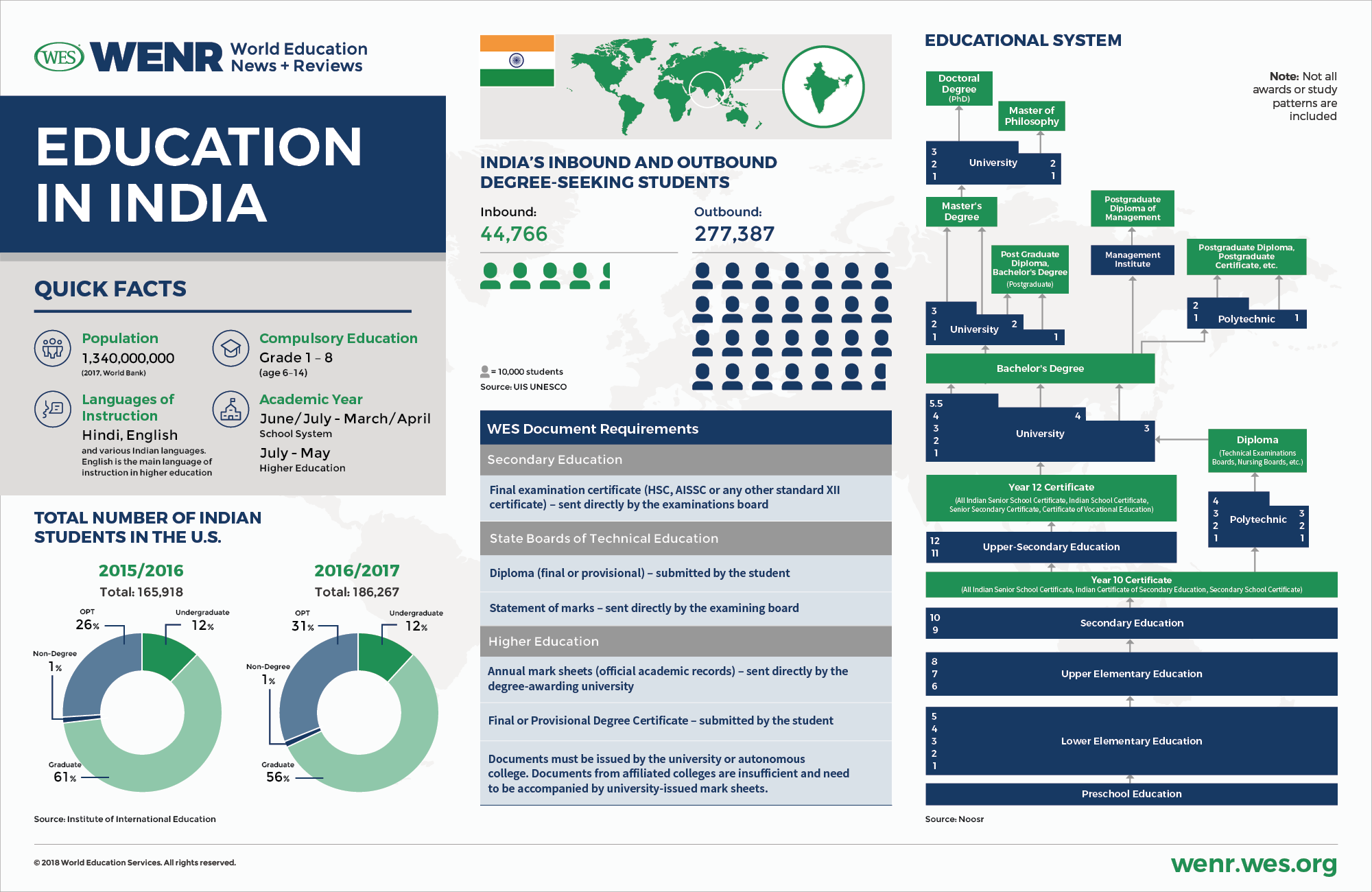
Education has always served as the cornerstone for nations that want to grow and expand their horizons. While India’s population continues to grow, there are still significant skill gaps in India when it comes to securing the future of technological innovation.
This is why it is extremely important that students provide directed education and in the right areas from a young age.
In recent surveys and reports, it was found that fewer than 4% of engineers in India have the cognitive, language, and technical skills required for technology start-ups. Furthermore, only 3% showed new-age skills in areas like AI (artificial intelligence), data science, machine learning, and mobile development.
· Larger Investments

Without substantial investments, progress becomes shunted. This is exactly why business magnates who have the financial resources to incentivize future programs should be encouraged to pool in funds.
Market commentators are positive that India’s influence is set to grow, so it is a great opportunity to bring in foreign investments.
Together, foreign and domestic investments can help launch greater success for India to become a more powerful global tech hub and serve as a winning combination. Plus, with US-China trade disputes going on, India is arguably becoming a more attractive alternative, and the time is ripe for achieving market dominance. Young learners in search of essay writers UK also understand why investments are needed to boost progressive nations’ development further.
· Government Support

While the private sector can be encouraged to do its best to support India’s IT revolution, there is no question that the Government of India should also play a vital role in bringing in foreign investments.
The support from the government is indeed lagging behind, as, in recent surveys and polls, over 83$ of senior executives reported that policymakers were behind the curve.
Not only should they pass laws but also intervene to aid the further development of technology and innovation in India.
However, some initiatives have been taken in the form of Startup India, Make in India, and Digital India are some of the government-regulated projects underway. Pupils who seek essay help UK understand just how important government support can be to resolve economic issues that affect society adversely.
· Overcoming the Uneven Digital Gap

In a recent McKinsey report, more than 600 large and small companies in India were studied. In this report, it was found that digital leaders and laggards differ on critical aspects of digital strategy as well as organization and capabilities.
The gap is immensely wide, where 30% of leaders were more likely to fully integrate digital and global strategies, whereas bottom quartile companies did not even compare. Only large companies can invest in advanced technologies, but in the coming years, faster internet speeds and falling data costs may help bridge this gap.
Conclusion
As an ending note, I would just like to state that this is neither a complete nor an exhaustive list of the ways through which India needs to improve in order to become a global engine of growth.
With forecasts showing the tremendous increase in the demand for IT services, India needs support from both the private and government sectors.
This will help the nation to sustain and gratify the requirements for its growing IT sector and make use of the current opportunities to dominate the global market as well as becoming a powerful international hub for all things related to IT.

Author Bio
Stella Lincoln currently works as the Assistant Editor at Assignment Assistance and Student Essay. This is where higher education students can acquire dissertation writing services UK from experts specializing in their field of study. During her free time, she likes to surf the internet for the latest developments in the world of tech.
Featured Image credits Image Credits
source https://nrinews24x7.com/india-emerging-as-global-engine-of-growth-seems-less-real-and-more-virtual/?utm_source=rss&utm_medium=rss&utm_campaign=india-emerging-as-global-engine-of-growth-seems-less-real-and-more-virtual







0 comments:
Post a Comment